

Avoid Missed Trades: Trading Hardware Shipping for Traders, 3–7 Business Days
Most in-stock trading hardware generally arrives within a few business days once processing and ground transit are combined. Built-to-order devices or hardware shipped from overseas commonly take longer, often about one to two weeks or more. Expedited carrier services speed up the transit leg only, so checking a vendor’s order cut-off time matters just as much as the shipping speed you select.
TL;DR:
- Ground shipping usually takes 2 to 5 business days after dispatch; two day and next day services count business days from pickup, not ordering.
- Custom builds add days or weeks before transit begins, and bundled orders wait for their slowest component, regardless of the shipping speed selected.
- Overseas postal consolidation can stretch delivery to a month, while incomplete or mismatched customs details can add several days to clearance.
- Wait 24 to 48 hours after label creation; if scans remain absent for 5 business days after shipment, contact the seller with tracking details.
- Carrier guarantees cover transit after pickup, not warehouse processing; check the seller’s policies first since return and shipping rules vary.
Table of Contents
- Shipping methods and typical transit times by carrier and speed tier
- Order processing and built-to-order lead times
- International shipping and customs: extra days to expect
- Reading tracking updates and knowing when to contact support
- Shipping costs, refunds, and which expedited options actually help
- Key-Trade shipping policy and buyer tips for trading keypads
- Differences in shipping times between major carriers
- When to buy now and when to wait: a trader’s decision checklist
- Key-Trade ordering and shipping: quick next steps
- FAQ
- Sources
Shipping methods and typical transit times by carrier and speed tier
Once a trading keypad or similar device leaves the warehouse, the carrier’s service level determines how fast it travels. Ground shipping is the default for most orders and the slowest of the standard options, while time-definite services trade cost for certainty.
- Ground service: typically 2 to 5 business days in transit, according to Adafruit’s shipping policy, which cites UPS and FedEx Ground windows of 1 to 5 business days and USPS Ground Advantage at 2 to 5 business days.
- 2nd Day service: arrives in two business days from the day it ships, not from the order date.
- Next Day Air: the fastest standard option, with delivery the business day after pickup.
Ground estimates are not guarantees. Only time-definite services like UPS Next Day Air carry a delivery commitment, according to Adafruit; standard ground delivery dates are estimates that carriers can revise based on network volume.
Weekends and federal holidays are not counted in any of these windows. A package that ships Friday afternoon on a 2-day service will not land until the following Wednesday, since Saturday and Sunday do not count toward the transit clock.

Order processing and built-to-order lead times
The shipping estimate you see at checkout only covers the carrier’s part of the trip. Before that clock even starts, your order has to be picked, packed, and handed off, and that warehouse phase is where a lot of the waiting actually happens.
- In-stock hardware typically ships the same day or within 1 business day if the order lands before the vendor’s cut-off time.
- Orders placed after the daily cut-off, or on a weekend, usually ship the next business day since many warehouses run Monday through Friday only.
- Configured or customized devices, such as a keypad built with a specific button layout or regional power adapter, commonly add extra days or weeks to the build before shipment.
- A bundled order inherits the lead time of its slowest component, so pairing an in-stock item with a custom one delays the whole shipment.
A same-day shipping promise is only useful if you actually place your order before the cut-off. Checking that time before you buy saves more days than upgrading your shipping speed afterward.
International shipping and customs: extra days to expect
Hardware shipped from an overseas distribution center follows a different clock than domestic ground orders. Dell’s order support page notes that standard international shipments commonly take about 7 to 10 business days to reach the United States, and that estimate only starts once production and packaging are complete.
- Customs clearance is usually automated and adds roughly 1 to 2 business days when paperwork is complete, as described on HP’s delay information page.
- Missing or mismatched importer information triggers a manual customs hold, which can add several more days on top of the normal clearance window.
- Some vendors route lower-cost international orders through local postal services rather than express couriers. According to Arduino’s delivery notes, that kind of postal consolidation can stretch total delivery time to a month and makes tracking updates sparser.
Providing complete and accurate customs information when you place an international order is the single most effective way to avoid an avoidable hold.
Reading tracking updates and knowing when to contact support
A tracking page that says “label created” with no movement for 24 to 48 hours is normal, not a red flag. Carriers generate the label before the package is physically scanned into the network, and HP’s guidance on shipping delays notes that major tracking updates often upload in overnight batches, so checking first thing in the morning tends to show more progress than checking the night before.
- Give it 24 to 48 hours after label creation before assuming anything is wrong.
- Watch for a stall of 5 or more business days past the ship date with zero scans; that pattern suggests a real bottleneck rather than a routine delay.
- Contact the seller first if the order shipped from them directly, since they can usually open a carrier trace faster than you can.
- Have your order number, tracking number, and a screenshot of the current status ready before reaching out, since support teams need that to file a trace.
Pro Tip: Screenshot your tracking page the moment it stalls. If the carrier later claims the package moved on a date you can’t verify, that timestamp backs up your support request.
Shipping costs, refunds, and which expedited options actually help
To pay for faster shipping only shortens the carrier transit leg. If a vendor’s processing or build time is the real bottleneck, upgrading from ground to 2nd Day shipping will not get your hardware to you any sooner.
- Ground: the cheapest option, 2 to 5 business days in transit once the order ships, per Adafruit’s shipping page.
- 2nd Day Air: a middle-cost, time-definite option that cuts transit to two business days.
- Next Day Air: the most expensive standard tier, with guaranteed next-business-day delivery after pickup.
Carrier money-back guarantees apply to the carrier’s own service commitment, not the vendor’s processing time. A refund claim for a missed Next Day Air delivery, for instance, covers only the leg after the package was scanned in, according to Adafruit. Vendor return and shipping policies sit on top of that and vary by seller, so it is worth reading the fine print before you pay extra for speed.
Key-Trade shipping policy and buyer tips for trading keypads
We ship our trading keyboards worldwide, and our processing windows generally follow common industry norms: in-stock units move quickly, while any customization adds build time before the carrier clock even starts.
- Check the shipping options at checkout and pick the service that matches how soon you actually need the device at your desk.
- For international orders, enter complete and accurate customs information at checkout to avoid a clearance hold.
- If you are ordering a configured or bundled setup, plan around the longest lead-time component rather than the fastest one.
Pro Tip: If you are setting up a new trading desk ahead of a specific date, order a week or two earlier than you think you need to, since built-to-order lead times and customs are the two stages most likely to run long.
Differences in shipping times between major carriers
FedEx, UPS, and DHL all offer comparable ground and express tiers, but they are not interchangeable in every market. FedEx and UPS both run extensive domestic ground networks in the United States with similar 2 to 5 business day windows, and both offer time-definite overnight and 2nd day options, according to Adafruit’s carrier breakdown.
DHL’s strength is on the international side. For hardware shipped from an overseas manufacturing or distribution center, DHL Express tends to be the carrier vendors reach for when they want a faster, trackable alternative to postal consolidation, while FedEx and UPS international services fill a similar role depending on the vendor’s existing contracts.
The practical difference for a buyer rarely comes down to which carrier is “faster” in the abstract. It comes down to which carrier the vendor has a direct relationship with, since that affects pickup frequency, customs documentation handling, and how quickly a stalled package gets traced. If you are choosing between two similarly priced expedited options at checkout, the carrier name matters less than the specific service tier (ground versus 2nd day versus overnight) attached to it.

When to buy now and when to wait: a trader’s decision checklist
If you need hardware in hand before a specific trading window opens, prioritize a vendor with in-stock units and a guaranteed expedited service, and confirm the processing cut-off before you order. If the purchase is not time-critical, ground shipping saves money and ordering a week early absorbs most normal delays.
Product launches and holiday periods strain every lead-time estimate on this page, since execution speed itself is a separate, ongoing edge once the hardware is on your desk.
— key-trade
Key-Trade ordering and shipping: quick next steps
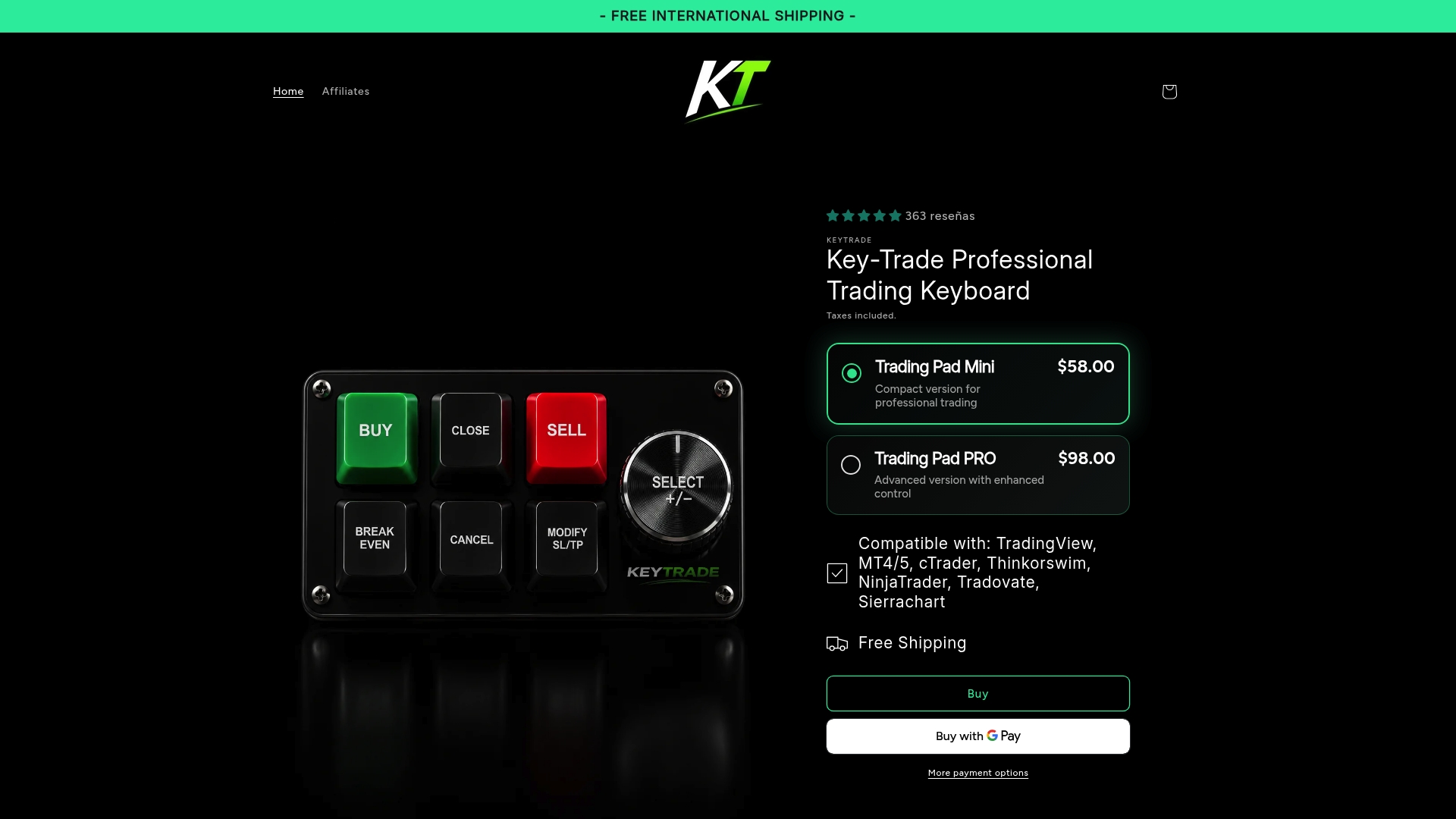
We built the Key-Trade Professional Trading Keyboard around fast, physical order execution across TradingView, MetaTrader 4 and 5, cTrader, NinjaTrader, SierraChart, Thinkorswim, and Tradovate, so shipping speed and platform compatibility both matter before you check out.
- We ship worldwide and process in-stock orders promptly, following standard cut-off logic.
- Our product pages include setup guides and support resources for platform-specific integration.
- Check your shipping options and estimated transit window directly at checkout before you confirm your order.
FAQ
How long does shipping time take?
For in-stock domestic hardware, total time from order to door is typically 3 to 7 business days once processing and ground transit are combined, according to Adafruit’s shipping policy. Built-to-order or international shipments commonly take about 7 to 10 business days or longer.
How long does it take for Traxxas to ship?
We do not have published, verified processing or transit data specific to that brand. For any hardware vendor, check their own shipping or order support page for current processing windows and carrier transit estimates.
How long is Mitchell and Ness shipping?
We do not have published, verified processing or transit data specific to that brand. Checking the retailer’s own shipping policy page is the most reliable way to confirm current timelines.
How long does it take to get a Framework laptop?
We do not have published, verified lead-time data specific to that brand. Built-to-order laptops from manufacturers generally follow the same pattern described above: configuration adds build time before the carrier transit window even begins.
Does expedited shipping shorten the wait for built-to-order hardware?
Expedited shipping speeds up the carrier transit leg only; it does not shorten the build or processing phase, according to Dell’s order support page. If a device needs to be configured first, paying for faster shipping saves days on the transit end but not on the build end.