

Prop Firms: 2 Minute Daily, 1 Hour Deep Clean for Trading Keypads
To clean a trading keypad safely, power it off, unplug it, and follow a three-level routine using lint-free cloths, compressed air, and 90%+ isopropyl for internal work. Avoid bleach, acetone, and hydrogen peroxide entirely. Run quick wipe-downs often, a regular keycap-off clean monthly, and a deep clean every several months. If liquid gets inside, unplug immediately and let everything air-dry for at least 24 hours before testing.
TL;DR:
- Regularly clean with compressed air and microfiber cloths to prevent dust buildup that can cause unresponsiveness or stickiness.
- Use a keycap puller for monthly deep cleans, soaking caps in warm, soapy water and ensuring every part is thoroughly dry before reassembling.
- Address liquid spills immediately by unplugging, draining, and cleaning with 90%+ isopropyl alcohol, then air-drying for at least 24 hours before testing.
- For stubborn keys, applying drops of isopropyl alcohol and working it into the switch can restore functionality without needing replacement.
- Follow a strict cleaning schedule based on usage, with weekly quick cleans, monthly deep cleans, and semiannual restorations to maintain optimal performance.
Table of Contents
- Essential tools and safe cleaning supplies for trading keypads
- Level 1: quick clean for daily or end-of-session upkeep
- Level 2: regular clean with keycap removal for a monthly deep pass
- Level 3: deep clean and restoration for sticky or sluggish keys
- Immediate steps after a liquid spill on a trading keypad
- How to restore sticky or unresponsive switches without replacing parts
- Recommended cleaning cadence and habits for pro traders
- What device care looks like from inside a prop firm’s routine
- Get a keypad built for this kind of care
- Where this cleaning guidance comes from
- Sources
- FAQ
Essential tools and safe cleaning supplies for trading keypads
A trading keypad sees more finger contact per hour than almost any other desk device, so having the right supplies on hand matters more than having a lot of them. Keep these within reach of your trading station:
- Lint-free microfiber cloths for wiping caps and housings without scratching.
- Compressed air with a straw nozzle for clearing dust and crumbs from between keys.
- 90%+ isopropyl alcohol for internal switch cleaning and stubborn grime.
- A soft-bristle brush (an old, clean toothbrush works) for plates and switch housings.
- A keycap puller to remove caps without snapping stems.
- A small container for soaking keycaps during deeper cleans.
Isopropyl at 90% or higher evaporates faster and carries less water than the 70% solution sold for skin use, which is why HP recommends the higher concentration for internal mechanical-switch work. Never use bleach, hydrogen peroxide, acetone, or paint thinners on any part of the keypad. Never invert a compressed air can, since that can spray liquid propellant into the switches, and never spray aerosol cleaners directly into the openings between keys.
Level 1: quick clean for daily or end-of-session upkeep
This routine takes about two minutes and stops dust, crumbs, and skin oil from building up between deeper cleans.
- Unplug the keypad and power it off completely.
- Remove batteries if the unit uses them.
- Flip the keypad upside down and tap it gently to dislodge loose debris.
- Hold compressed air upright and use short one to two second bursts across the key gaps, following HP’s technique for avoiding propellant spray.
- Wipe the keycap tops and housing with a dry or barely damp microfiber cloth.
Light users can manage with a weekly pass. Heavy desk hours during active sessions call for more frequent cleaning, since sweat and dust accumulate faster under constant use.
Pro Tip: Do the quick clean right after your last session of the day, while the keypad is already disconnected from your platform and there is zero risk of an accidental order.

Level 2: regular clean with keycap removal for a monthly deep pass
Set aside 15 to 20 minutes once a month for this level. It clears out the grime a quick wipe can’t reach.
Photograph the keypad layout before starting, especially if your buttons carry custom labels for order types or platforms.
- Use a keycap puller to lift each cap straight up, applying even pressure to avoid bending the stem.
- Save any stabilized keys (typically the larger buttons) for last, since their wire stabilizers are easier to dislodge.
- Clear the exposed plate with compressed air and a soft brush to remove trapped dust.
- Wipe each keycap with a cloth lightly dampened in 90%+ isopropyl, then let them air-dry completely on a towel.
- Reattach caps in their photographed positions and press each one to confirm a firm, even seat before reconnecting the device.
Skip this level if you’re short on time and stick to quick cleans, but don’t skip it indefinitely. Grime under the keycaps is what eventually causes sticky or unresponsive switches.
Level 3: deep clean and restoration for sticky or sluggish keys
When several keys feel sluggish or a quick clean no longer fixes the problem, a full deep clean addresses buildup that has worked its way into the switch housings. Budget close to an hour and make sure you won’t need the keypad again that day.
- Photograph the layout, then remove every keycap with the puller.
- Soak the keycaps in warm, not hot, soapy water for several minutes.
- Rinse thoroughly and lay the caps out to air-dry completely before setting them aside.
- Clean the exposed plate and switch housings with a cloth or brush dampened in 90%+ isopropyl, following with short bursts of compressed air to clear residue.
- Reassemble only once every part is fully dry, since trapped moisture under a keycap can cause a switch to fail later.
Hot water can warp ABS keycaps, so keep the soak warm rather than hot; PBT caps tolerate slightly warmer water but there’s no reason to push it. If a switch still feels gritty or fails to register after a deep clean, that’s a sign to consider professional service rather than forcing it further, as noted in HP’s mechanical keyboard maintenance guidance.
Immediate steps after a liquid spill on a trading keypad
The first 60 seconds after a spill matter more than anything you do afterward. Speed and the right order of operations decide whether the device survives.
- Unplug the keypad immediately and stop using it, even if keys still seem to respond.
- Flip it upside down and let it drain for at least 30 minutes over a towel or sink.
- Remove any keycaps near the spill site to expose the switches underneath.
- Blot excess liquid with a lint-free cloth without shaking the unit, since shaking can push fluid deeper into the housing.
- Use 90%+ isopropyl on a cloth to lift sticky residue from sugary or caffeinated drinks.
Manufacturer guidance from Dell is consistent across electronics categories: surfaces must air-dry completely, generally at least 24 hours, before the device is reconnected or powered on. Skipping that wait risks a short circuit on the very first test. If keys still misbehave after a full dry-out and clean, document what spilled, when, and which keys were affected before contacting support, since that detail speeds up any warranty or repair conversation.
How to restore sticky or unresponsive switches without replacing parts
Not every unresponsive key is a hardware failure. Contamination from spilled drinks, dust, or skin oil often causes a switch to stick or double-register, while a firmware or connection fault tends to affect multiple keys at once regardless of pressure or cleaning.
- Test whether the same key fails across different trading platforms or profiles; if so, the problem is likely mechanical rather than software.
- Try the quick clean routine first, since compressed air alone resolves many minor sticking issues.
- Apply one to two drops of 90%+ isopropyl directly into the switch housing, then actuate the key 20 to 30 times to work the alcohol through the contacts, a method HP outlines for switch recovery.
- Let the switch dry fully before testing it again, since testing while damp can mask whether the fix actually worked.
Pro Tip: Give the switch a full hour to dry before judging whether the alcohol treatment worked. Testing too early often looks like a failed fix when the switch just needs more time.
Persistent non-registration after two attempts, visible corrosion, or a burnt-component smell are red flags that call for repair rather than more DIY cleaning.
Recommended cleaning cadence and habits for pro traders
A predictable schedule beats reactive cleaning, especially for desks running multiple sessions a day.
- Quick clean: weekly for light use, every two to three days for heavy trading hours.
- Regular clean with keycap removal: every one to two months.
- Deep clean and restoration: every six to 12 months, or sooner if keys feel consistently sluggish.
- Keep food and drinks off the trading desk entirely, and use a dust cover when the keypad is idle overnight.
- Label keycaps clearly for custom order functions and add anti-slip pads under the unit to prevent shifting during fast execution.
- Log each cleaning event with date and level, so a pattern of recurring issues on the same key is easy to spot.
If a documented issue persists after a proper deep clean and switch treatment, that’s the point to reach out to vendor support rather than keep troubleshooting solo.
What device care looks like from inside a prop firm’s routine

Uptime is the only metric that matters when a keypad sits between a trader and an open position. A quick clean takes less time than a single missed exit, and a dust cover costs less than one bad fill caused by a stuck key. Prop firms that write cleaning cadence into their desk policy see fewer mid-session device complaints than those that leave it to habit.
Reach out to support when a switch fails to recover after a documented alcohol treatment and dry-out, or when corrosion or a burnt smell appears. Everything short of that is a DIY job with the right tools.
— key-trade
Get a keypad built for this kind of care
Cleaning routines only go so far if the hardware underneath wasn’t built for daily execution use. The Key-Trade Professional Trading Keyboard is available as a one-off purchase, with device-specific setup guides and support for platforms including TradingView, MetaTrader 4 and 5, cTrader, NinjaTrader, SierraChart, Thinkorswim, and Tradovate.
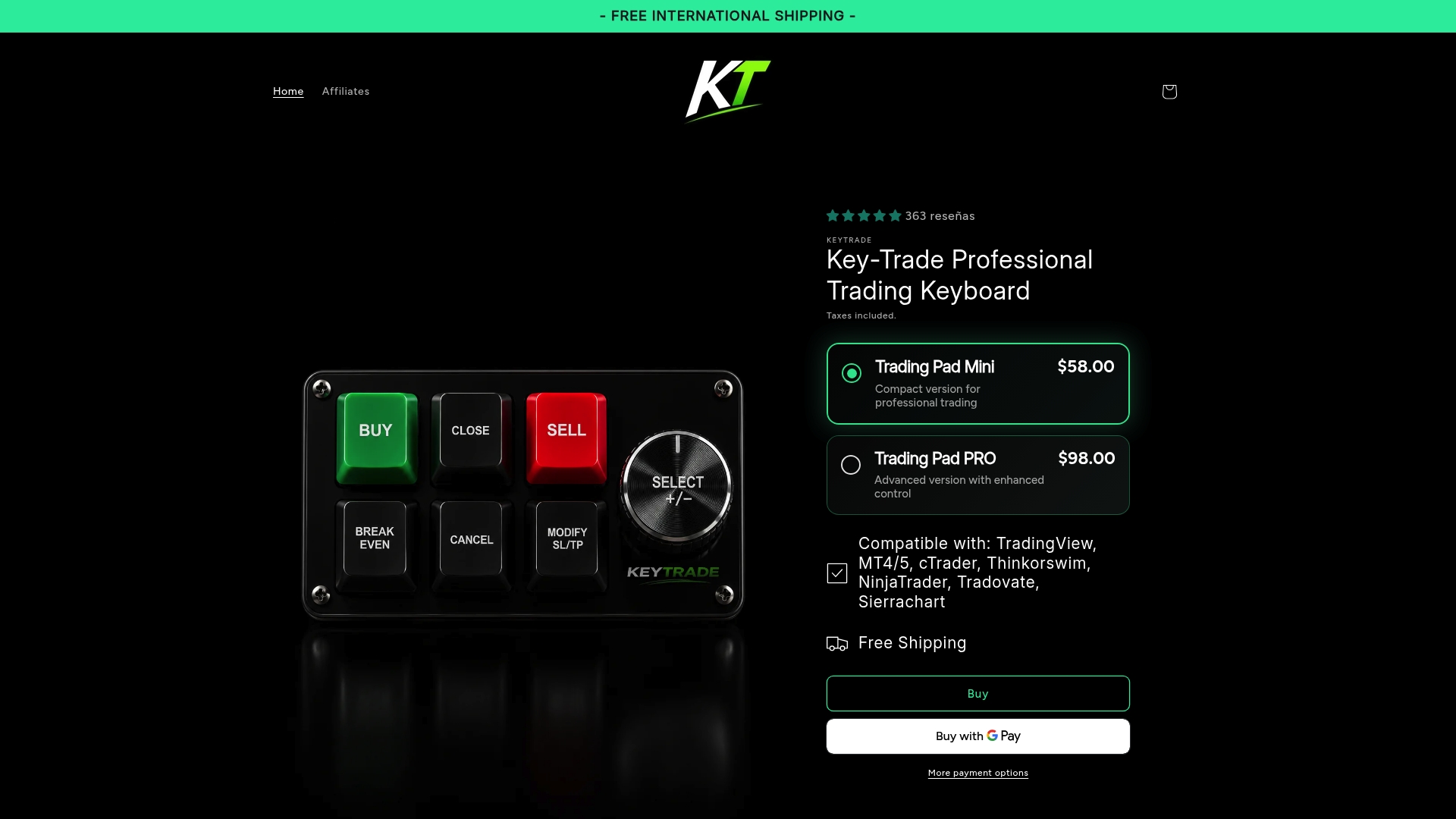
- Browse the current lineup on the Key-Trade product collection.
- Check the product page for specs and platform compatibility before you buy.
- Contact support directly for cleaning or repair questions specific to your unit.
If a spill or a sticky switch has you weighing a repair against a replacement, a repair shop can often get a keyboard working again faster than sourcing new parts yourself. When you’re ready for a keypad designed around fast, repeatable trade execution, visit the Key-Trade collection to see current models.
Where this cleaning guidance comes from
- HP’s mechanical keyboard maintenance guide covers cleaning levels and switch recovery.
- Dell’s equipment cleaning guidance and Apple’s cleaning guidance cover safe exterior handling.
- A clean, reliable keypad also reduces the kind of input errors that drive fat-finger trading losses.
Sources
- How to Clean and Maintain Your Mechanical Keyboard | HP
- Guidance for Keeping Your Dell Technologies Equipment Clean | Dell US
- How to clean your Apple products - Apple Support
FAQ
How often should I clean my trading keypad?
Quick cleans work well weekly for light use and every two to three days for heavy trading hours, with a regular keycap-off clean monthly and a deep clean every six to 12 months. Adjust upward if you eat or drink at your desk regularly.
Is 70% isopropyl alcohol okay to use?
70% isopropyl is fine for wiping exterior surfaces, similar to guidance from Apple on external cleaning. For internal switch work, 90%+ is preferred because it evaporates faster and carries less water, reducing the risk of moisture reaching the contacts, as HP notes.
What should I do if I spill a drink on my keypad?
Unplug it immediately, flip it upside down to drain, and remove nearby keycaps to expose the switches. Blot excess liquid without shaking the device, clean sticky residue with 90%+ isopropyl, and let everything air-dry for at least 24 hours before reconnecting.
Can I disinfect my trading keypad with regular wipes?
Standard disinfecting wipes can be too wet for the gaps between keys and may push moisture into the switches. Stick to a barely damp lint-free cloth or one lightly dampened with isopropyl, following Dell’s guidance on avoiding excess moisture near openings.
When should I stop cleaning it myself and get it repaired?
If a switch still won’t register after a documented alcohol treatment and full dry-out, or if you notice corrosion or a burnt smell, stop troubleshooting and contact support or a repair service. Persistent issues after proper cleaning point to a hardware fault rather than contamination.